

Visit Bryan’s Finds to Purchase some awesome finds!
Growing up in a lower-middle-class family in Flint, Michigan, I learned early on the value of buying things secondhand—especially tools and sports equipment. Money was tight, so you figured out how to make things work.
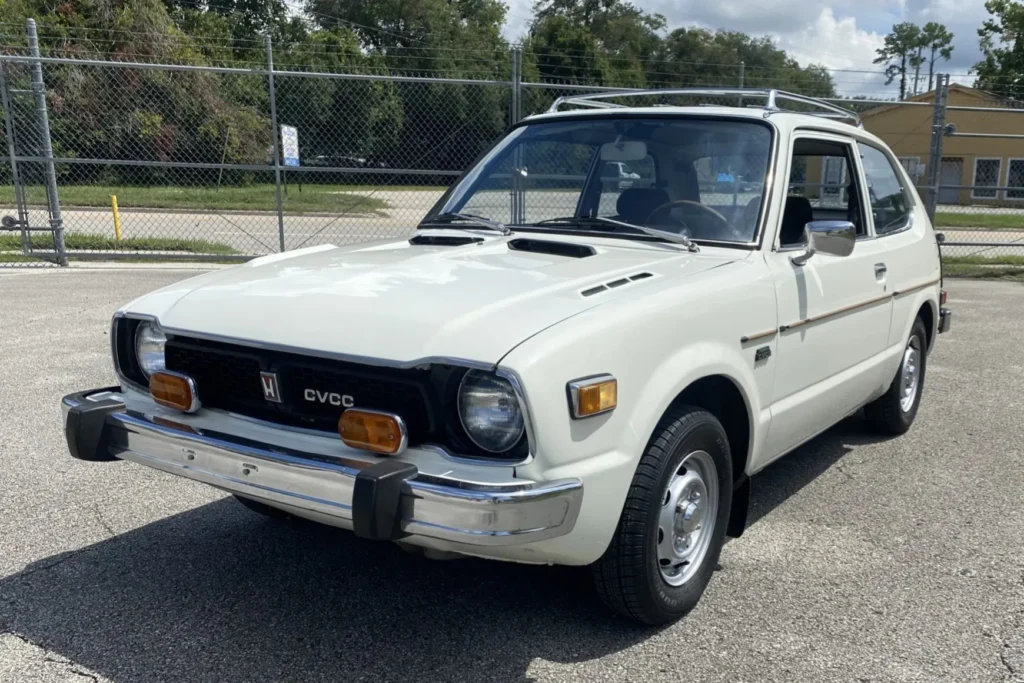
I remember buying my first car with money I earned baling hay during the summer of 1984. It was a 1977 Honda CVCC that I picked up for $200, and it needed just about everything. But once I discovered the foreign car junkyard, it felt like striking gold—every part I needed was there, all for pennies on the dollar.
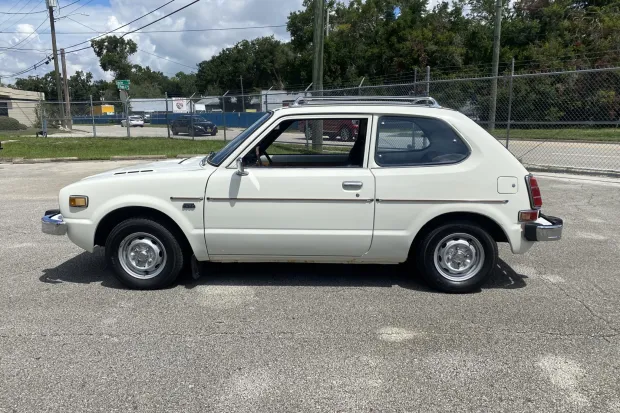
That was the beginning of my love affair with swap meets. BTW: I sold my car to my friend for $5,900 in 2024 when my parents sold their home https://www.youtube.com/watch?v=jW2uV6xwYHc&t=20s
How to find great deals at Flea Markets and Swap Meets (Also Garage Sales)
How to Find Great Deals at Flea Markets, Swap Meets, and Garage Sales
There’s something uniquely satisfying about scoring an incredible deal—whether it’s a vintage jacket for $5, a barely-used appliance, or a hidden collectible worth far more than you paid. Flea markets, swap meets, and garage sales are treasure hunts waiting to happen. But finding the best deals isn’t just luck—it’s strategy.
Here’s how to shop smart and consistently walk away with wins.
1. Show Up Early… or Late (Know When It Matters)
Timing can make or break your experience.
- Early birds get first pick of high-value items—antiques, collectibles, brand-name goods.
- Late shoppers (last hour or so) often get the deepest discounts, as sellers would rather sell cheap than pack things back up.
If you’re hunting for rare finds, go early. If you’re hunting for bargains, go late.
2. Bring Cash (and Small Bills)
Cash is king in these environments.
- Sellers are more likely to negotiate if you have cash ready.
- Small bills ($1s, $5s, $10s) make transactions smoother and help you avoid overpaying.
- Saying “Would you take $15 cash right now?” is surprisingly powerful.
3. Don’t Be Afraid to Negotiate
Haggling is expected—just be respectful.
- Start lower than your max budget, but don’t lowball aggressively.
- Bundle items: “Would you do $20 for all three?”
- Be friendly—people are more willing to give deals to someone they like.
4. Walk the Whole Market First
It’s tempting to buy the first cool thing you see—but don’t rush.
- Take a quick lap to get a sense of pricing and inventory.
- Compare similar items before committing.
- If something is truly rare, grab it—but otherwise, patience pays.
5. Look Beyond the Obvious
Some of the best deals are hidden in plain sight.
- Dig through boxes and bins—many sellers don’t realize what they have.
- Check under tables or in less organized booths.
- Items mixed with “junk” are often overlooked by others.
6. Know What You’re Looking For (But Stay Open)
Having a focus helps, but flexibility finds deals.
- If you’re into resale, antiques, or collectibles, do some research ahead of time.
- Use your phone to quickly check values if needed.
- But also stay open—you might discover something unexpected.
7. Check Condition Carefully
A cheap item isn’t a deal if it’s unusable.
- Test electronics if possible.
- Look for cracks, missing parts, stains, or damage.
- Ask questions: “Does this work?” or “Has this been tested?”
8. Build Relationships with Sellers
Regulars get better deals.
- If you visit the same flea markets or swap meets often, get to know vendors.
- Friendly conversations can lead to insider deals or first access to new items.
- Some sellers will even hold items for repeat buyers.
9. Bring the Right Gear
Be prepared to shop comfortably and efficiently.
- Reusable bags or a small cart for carrying items
- Water and snacks for longer trips
- Sunscreen or a hat for outdoor markets
- A measuring tape if you’re buying furniture or decor
10. Trust Your Instincts
If something feels like a great deal, it probably is.
- Hesitating too long can mean losing out.
- On the flip side, don’t buy just because it’s cheap—buy because it has value to you.
Final Thoughts
Flea markets, swap meets, and garage sales are more than just places to shop—they’re experiences. Every visit is a chance to discover something unique, save money, and maybe even flip items for profit.
The more you go, the better you’ll get at spotting deals. Over time, you’ll develop an eye for value that turns casual browsing into serious treasure hunting.
So grab some cash, get out early (or stay late), and start hunting. You never know what you’ll find.